A dining room is more than a place to serve food. It is where people gather, celebrate milestones, share stories, and slow down long enough to enjoy one another’s company. The artwork surrounding the table can quietly influence each of those experiences.
Successful dining room wall art should not simply fill an empty surface. It can make the room feel warmer before anyone sits down, provide natural conversation starters, and connect the dining area with the personality of the wider home.
Instead of decorating according to a rigid theme, consider what you want guests to notice, discuss, and remember. These dining room wall art ideas will help you create a space that feels welcoming during everyday meals while remaining polished enough for special occasions.
Choose Art That Encourages Conversation
Dining rooms are social spaces, which makes them ideal for artwork with a story behind it.
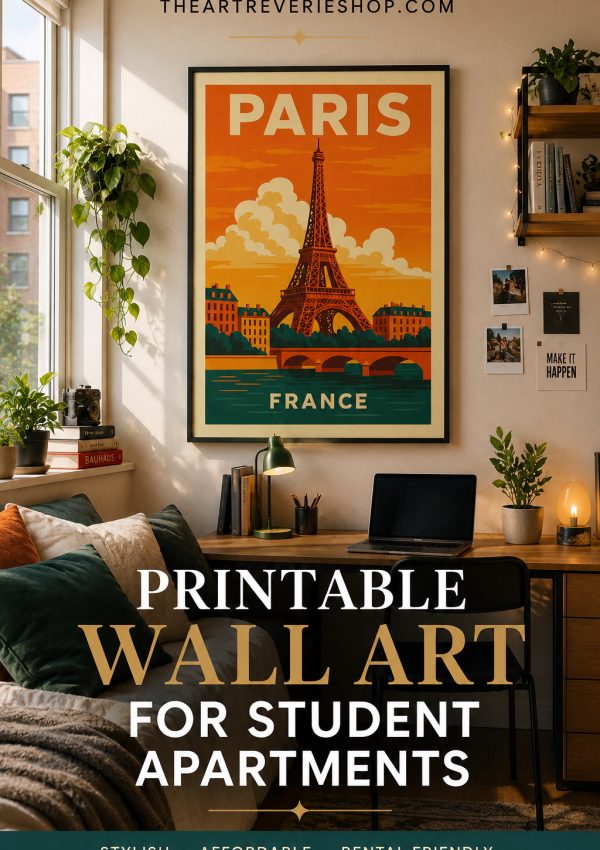
Travel posters can inspire conversations about favorite cities or memorable vacations. Vintage advertisements may remind guests of another era, while botanical illustrations, cultural artwork, photography, and playful retro designs can reveal something about your interests.
Look for images with details that reward a second glance. An unusual color combination, an expressive figure, a nostalgic object, or a beautifully illustrated location can give people an easy subject to discuss without dominating the room.
Generic artwork selected only because it matches the furniture may look attractive, but meaningful pieces usually create a more memorable atmosphere. Guests do not need to understand every reference. The artwork needs enough character to make the room feel personal rather than staged.
Design for the View From the Table
Most decorating advice considers how a room looks from the doorway. In a dining room, the seated view is equally important.
Sit in each chair and notice which walls remain visible. One guest may face a large blank wall, while another looks toward a sideboard, doorway, or adjoining kitchen. Those sightlines can help you decide where the strongest artwork belongs.
Place the primary focal piece where several people can appreciate it during a meal. Secondary walls may support smaller prints, quieter illustrations, or a narrow arrangement that complements the main display.
Artwork positioned behind the head chairs may appear impressive upon entering the room but remain almost invisible during dinner. Balancing the entrance view with the seated experience creates a room that works from multiple perspectives.
In an open floor plan, the dining-room display must also relate comfortably to nearby artwork. Please read How to Choose Wall Art for an Open-Concept Home for guidance on connecting visible areas without making every room look identical.
Match the Art to Your Style of Entertaining
The way you use the dining room can guide the artwork’s mood.
Formal gatherings may suit elegant fashion illustrations, architectural studies, sophisticated photography, or vintage designs with restrained colors. Casual family meals can pair well with cheerful florals, bold graphics, travel imagery, or artwork with a playful sense of nostalgia.
People who frequently host long dinners may prefer layered, detailed pieces that remain interesting throughout the evening. A breakfast-oriented dining space can feel lighter with colorful botanicals, sun-washed landscapes, or energetic retro prints.
Avoid choosing art based solely on what a dining room is “supposed” to contain. Food illustrations and wine posters can work beautifully, but they are not required. The subject should support the atmosphere you enjoy creating rather than follow a predictable decorating formula.
Relate the Artwork to the Dining Table
The table is the visual center of the room, so nearby wall art should feel proportionate to it.
A substantial rectangular table can support one large horizontal artwork, a coordinated pair, or a structured group of prints. Round tables often pair well with a square arrangement, a compact gallery wall, or artwork containing curved shapes that subtly echo the furniture.
Before printing or framing anything, measure the table and available wall space. Artwork that is too narrow may appear disconnected from a long sideboard or dining set. An oversized frame, however, can make a smaller room feel cramped.
Use removable painter’s tape to outline the proposed dimensions on the wall. Examine the shape from the doorway and from the dining chairs before making a final decision.
For help comparing print sizes and frame proportions, please check out the Printable Wall Art Size Guide for Choosing the Perfect Print.
Build a Dining Room Color Story
Rather than matching the artwork exactly to the curtains, rug, or chair fabric, select a few colors that create a subtle relationship.
Begin with the room’s permanent elements, including flooring, table finish, wall color, lighting, and large furniture. Next, identify one or two shades from the artwork that could reappear through table linens, candles, ceramics, flowers, or serving pieces.
Warm wood furniture often complements ochre, olive, rust, cream, deep blue, and faded red. Black dining furniture can provide a strong foundation for colorful vintage posters or lighter botanical designs. Pale interiors may benefit from artwork with enough contrast to prevent the room from feeling unfinished.
Seasonal tablescapes can change without replacing the art. A print in several colors gives you more flexibility, as different shades can be highlighted throughout the year.
Create One Memorable Hosting Wall
Not every dining room needs artwork on every available surface. One thoughtfully planned hosting wall can give the space a stronger identity than several unrelated decorations.
The wall above a sideboard, buffet, or console is often the best candidate. Anchor it with a substantial print, then add practical objects below, such as a lamp, serving tray, ceramic bowl, or vase.
Keep the arrangement visually balanced without making both sides perfectly symmetrical. Different heights and shapes can create a collected appearance, provided the artwork remains the focal point.
A gallery wall is another option, especially when the prints share a recognizable connection. The relationship might come from color, period, subject, illustration style, or frame finish.
For guidance on assembling coordinated artwork without making the display look overly matchy, please read How to Create a Set of Matching Printable Art.
Choose Frames That Work With Evening Light
Dining rooms are often used under pendant lights, chandeliers, sconces, or candlelight. Those light sources can create glare across highly reflective glazing.
Matte prints generally remain easier to see from different seats. Acrylic or glass glazing can protect the artwork, although its placement should be tested under the room’s normal evening lighting.
Frame color can connect the display with other finishes in the room. A natural wood frame may echo the dining table, while a slim black frame can repeat dark lighting fixtures or chair legs. A bronze frame may complement warm hardware and traditional interiors.
A mat can also make a smaller printable feel more substantial. Cream mats soften vintage designs, while bright white creates crisp contrast around colorful or graphic artwork.
Please check out How to Make Printable Wall Art Look Expensive for additional framing and presentation ideas.
This post contains affiliate links, which may support the site at no extra cost to you.
Leave Space for the Room to Breathe
Dining rooms already contain many visual elements. Place settings, serving dishes, floral arrangements, lighting, chair backs, and guests all contribute color and movement.
Artwork needs enough open space around it to remain visible once the table is in use. Filling every wall can make the room feel much busier during a gathering than it does when empty.
Edit the display after setting the table as you normally would. Remove anything that competes with the artwork, blocks important details, or makes the room feel crowded.
A quieter wall can provide relief opposite a colorful focal arrangement. Blank space is not wasted space when it draws attention to the strongest pieces.
Create a Dining Room People Want to Linger In
The best dining room wall art ideas begin with the experience you want to create.
Choose artwork that gives guests something to notice and discuss. Consider the view from each chair, relate the scale to the dining table, and use color to connect the walls with the room’s furnishings. Frames, mats, lighting, and thoughtful spacing will complete the presentation.
Most importantly, allow the display to reflect the people who gather there. A dining room becomes inviting when it feels personal, comfortable, and ready for real life rather than arranged only for appearance.
Start with one piece that holds a story or creates the right mood. Build gradually around it, leaving enough space for meals, celebrations, and conversations to remain the room’s true focus.
Discover more from The Art Reverie Shop
Subscribe to get the latest posts sent to your email.