A game room should feel energetic, welcoming, and personal without resembling a crowded arcade showroom. The most successful spaces balance playful artwork with comfortable furnishings, practical organization, and enough visual breathing room for every feature to stand out.
Instead of decorating each empty wall separately, plan the room around the activities that happen there. Video gaming, board games, music, movies, pool, darts, and casual gatherings each create different visual opportunities. Once those zones are identified, game room wall art and decor can help define them while giving the entire space a connected personality.
This approach works in a dedicated recreation room, finished basement, converted garage, family room, or compact gaming corner.
Start With the Room’s Main Activity
Before choosing artwork, decide what the game room is primarily designed to support. A video gaming setup has different decorating needs from a pool room or family board-game space.
Look at the largest furniture or entertainment feature in the room. That element usually establishes the main activity zone.
Possible focal points include:
- A television and gaming console
- A pool, foosball, or air-hockey table
- Shelving filled with board games
- A card table
- A record player and speaker system
- A home bar or snack station
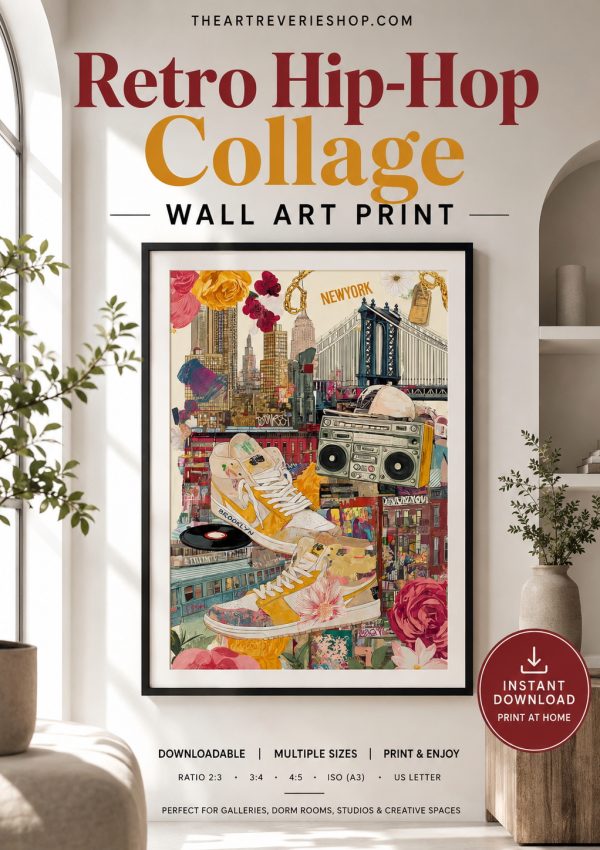
Choose wall decor that reinforces the activity rather than competing with it. Bold graphic prints can add energy around a gaming station, while vintage advertisements, music artwork, or retro travel posters may create a more relaxed social atmosphere.
Limiting the main theme also prevents the room from becoming a collection of unrelated hobbies.
Divide the Game Room Into Visual Zones
Large game rooms often feel unfinished because all the furniture is placed around the edges without a clear relationship between each area. Wall decor can solve that problem by visually identifying separate zones.
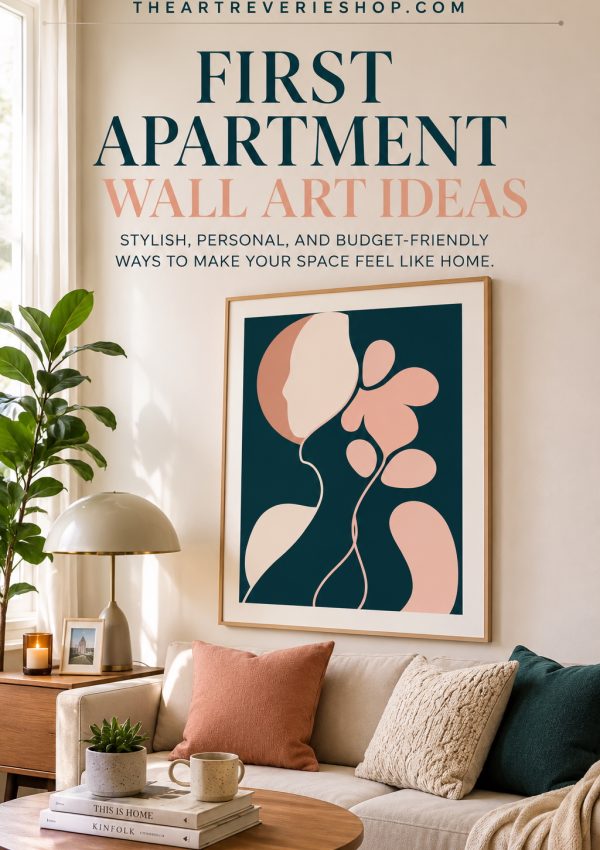
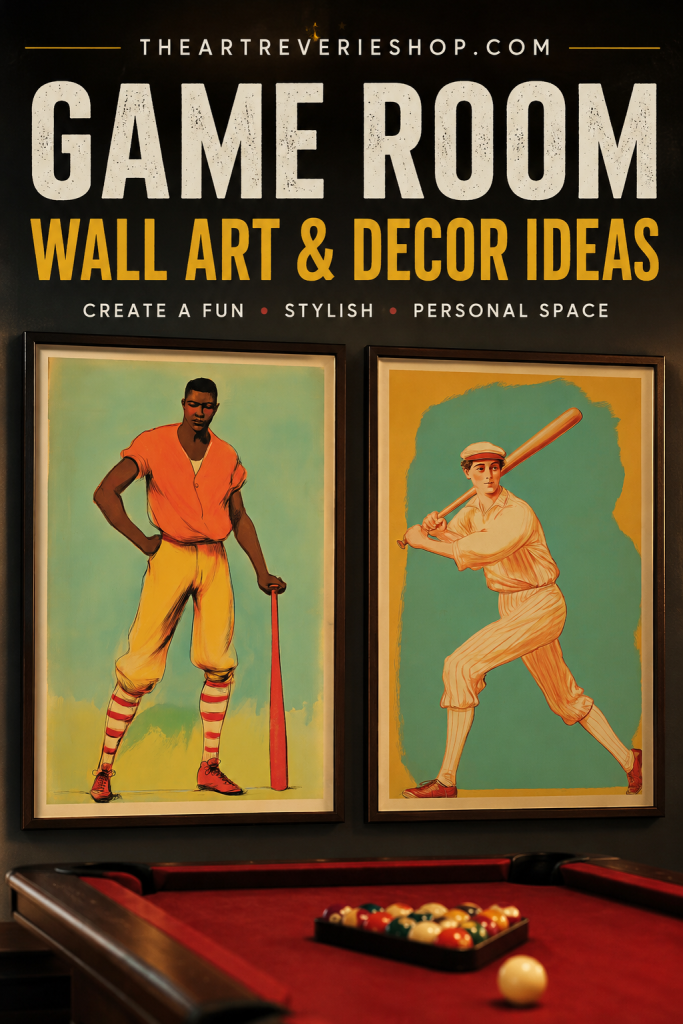
Place a large statement print above the sofa to establish the lounge area. Install a coordinated art pair near the game table, then use smaller typography or nostalgic illustrations beside a snack cart.
Not every section needs a completely different decorating theme. Repeating colors, frame finishes, or design eras can connect the individual zones.
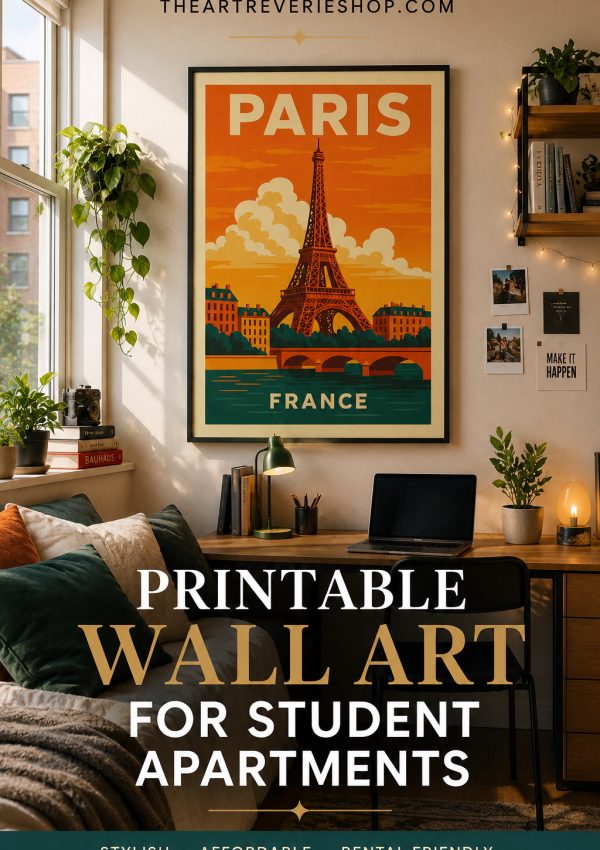
For example, a room might combine vintage bowling artwork, retro music prints, and urban-inspired designs. Although the subjects differ, shared colors and nostalgic styling make the collection feel intentional.
Please read How to Create a Set of Matching Printable Art for guidance on building a collection through color, composition, and theme.
Build a Gallery Wall Around Shared Interests
A game room gallery wall can become a visual record of the household’s favorite activities. Rather than filling it with generic decorations, include artwork that reflects music, destinations, sports, movies, family traditions, or memorable decades.
Start with three to five pieces instead of trying to complete the wall immediately. Choose one anchor print, then add supporting artwork in varied sizes.
Balanced gallery walls often combine:
- One large vertical or horizontal print
- Two medium-size illustrations
- One typography design
- One personal photograph or keepsake
Mixing art with a framed ticket, record sleeve, vintage game board, or family photo can make the display feel collected over time.
Keep spacing reasonably consistent so the wall remains visually organized. Two to three inches between smaller frames usually creates a connected arrangement without making it feel cramped.
Select Frames That Can Handle Bold Artwork
Colorful game room wall art usually benefits from frames that create definition. Thin black frames provide crisp contrast, while natural wood softens bright retro palettes and introduces warmth.
White frames can work in a light, airy game room, especially when the artwork contains vivid colors or generous white space. Metallic finishes suit Art Deco graphics, vintage entertainment imagery, and more glamorous bar areas.
Matching every frame is not required. However, one repeated characteristic should connect the collection. That detail could be the finish, frame width, mat color, or general material.
Before ordering frames, please read How to Choose the Right Frame Color for Your Artwork. The guide explains how artwork colors, wall paint, contrast, and room finishes affect the final choice.
This post contains affiliate links, which may support the site at no extra cost to you.
Add Lighting That Supports the Artwork
Game rooms usually need more than one type of lighting. Bright overhead fixtures may be practical during board games or pool, but softer accent lighting creates a better atmosphere for movies, music, and video gaming.
Use wall lighting selectively. Picture lights can highlight a large statement print, while LED strips behind a television or shelving unit provide indirect illumination. Small table lamps make snack areas and conversation corners feel more comfortable.
Avoid placing strong colored lights directly against artwork when they distort the print’s original colors. Neutral or warm-white lighting gives framed designs a more accurate appearance.
Glare also deserves attention. Matte prints and nonreflective glazing are helpful in rooms with televisions, bright ceiling fixtures, or windows opposite the artwork.
Turn Storage Into Part of the Decor
Controllers, cards, board games, charging cables, and game accessories can quickly create clutter. Attractive storage keeps the walls and focal points from becoming visually overwhelmed.
Closed cabinets are useful for items that do not need to remain visible. Open shelving can display colorful game boxes, books, records, collectibles, and framed prints.
Leave some space between objects instead of filling every shelf. Artwork needs room around it to maintain visual impact.
Floating shelves offer another flexible solution. Lean a small framed print against the wall, then add one or two meaningful objects beside it. Changing the arrangement later is easier because new nail holes are not required each time.
Choose the Right Scale for the Wall
Small artwork can disappear above a wide sofa, gaming desk, or storage cabinet. Measure the furniture and available wall area before selecting a print size.
Painter’s tape provides a simple preview. Mark the proposed dimensions on the wall, step across the room, and evaluate whether the outline feels proportional.
One large print often creates a cleaner result than several undersized pieces. A triptych or four-print grid can cover a broad wall while adding more visual rhythm.
Anyone working with an expansive blank wall should check out How to Print Large Wall Art on a Budget. It explains standard sizes, affordable paper choices, printing methods, and framing alternatives that can reduce the total cost.
Make the Room Personal, Not Perfect
Game room decor should reflect the people who use the space. Design rules can create balance, but personality is what makes the room memorable.
Include an unexpected print, a favorite album cover, a family tournament scoreboard, an old photograph, or artwork connected to a shared interest. These details prevent the space from looking copied from a furniture catalog.
Allow the collection to develop gradually. Printable wall art makes that process easier because designs can be changed seasonally, resized for different frames, or rearranged as the room evolves.
Ultimately, the best game room wall art and decor ideas support both play and connection. Begin with the room’s main activity, divide the space into visual zones, select one strong anchor piece, and repeat a controlled palette throughout the room. Thoughtful framing, lighting, scale, and storage will help the finished space feel energetic without becoming chaotic.
Browse more printable vintage wall art and discover unique retro-inspired designs at THEARTREVERIESHOP.COM, where you’ll find downloadable artwork and timeless style for your home.
Discover more from The Art Reverie Shop
Subscribe to get the latest posts sent to your email.