A music room should feel different from every other room in the home. Whether you play an instrument, collect records, write songs, record audio, or enjoy listening without distractions, the surroundings can influence the experience.
Meaningful artwork turns an ordinary spare room or studio corner into a place that reflects your musical identity. Instead of decorating with unrelated prints, build the room around the way you interact with music.
These music room wall decor ideas will help you create a space that feels expressive, organized, and personal without making the walls appear crowded.

Begin With the Way You Use the Room
Before selecting artwork, decide what happens in the music room most often.
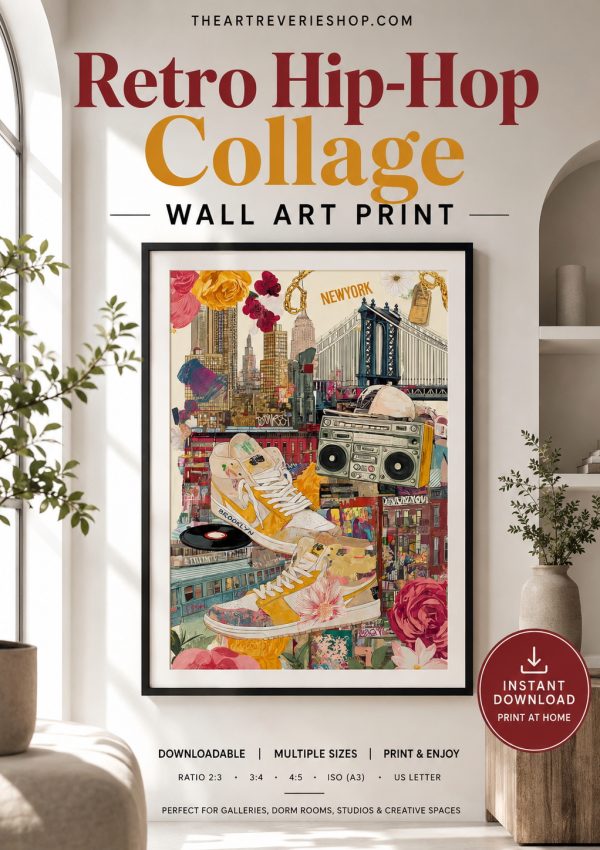
Someone who practices piano may want a calm, elegant setting that encourages concentration. A guitarist might prefer an energetic room filled with concert imagery, retro typography, and vintage music posters. Record collectors could create a listening lounge inspired by favorite genres or decades.
Recording spaces have different needs. Artwork should add character without interfering with microphones, speakers, acoustic panels, cables, or equipment.
Divide the room into functional areas such as:
- A playing or practice zone
- A listening area
- A recording station
- An instrument display wall
- A reading or songwriting corner
- A background for videos or photographs
Giving each section a purpose makes it easier to choose artwork that supports the room instead of competing with it.
Create a Strong Focal Wall
Most music rooms benefit from one dominant wall that establishes the visual identity of the space.
The wall behind a piano, turntable, keyboard, mixing desk, or instrument stand is often the most effective location. Choose one oversized music print, a coordinated pair, or a carefully arranged gallery wall.
Scale matters. Tiny frames may disappear above a wide piano or equipment console, while an oversized design can overwhelm a narrow practice corner.
Use painter’s tape to outline the proposed frame dimensions before printing. Step across the room and study how the artwork relates to the furniture and instruments beneath it.
For help selecting appropriate dimensions, please read the Printable Wall Art Size Guide for Choosing the Perfect Print.
Display Album Covers as Personal Art
Album covers are miniature pieces of design history. Displaying meaningful records allows you to combine visual art with personal memories.
Choose albums connected to important periods of your life, favorite performers, family traditions, or unforgettable concerts. Arrange them in a clean grid for a structured presentation, or mix records with printable posters and photographs for a more collected gallery wall.
Special album frames allow covers to remain visible while protecting the contents. Before purchasing, check the frame dimensions, opening style, hanging hardware, and customer photographs. You can find album frames and record display shelves in several finishes, making it easier to coordinate them with the rest of the room.
Albums that are played frequently may be better placed on accessible display ledges rather than inside fixed frames.
Turn Instruments Into Part of the Display
Instruments already possess shape, color, craftsmanship, and visual history. When displayed safely, they can function as both practical equipment and wall decor.
A guitar mounted beside a concert print creates an immediate musical focal point. Smaller instruments can be arranged on shelves with framed photographs, sheet music, or vintage accessories. Drumsticks, harmonicas, tambourines, and headphones may also become part of a carefully styled vignette.
Keep frequently used equipment within comfortable reach. Secure mounting hardware is essential, particularly for valuable or heavy instruments.
Artwork should complement the instruments rather than compete with them. Detailed guitars often look best against simpler prints, while minimalist instruments can handle bolder typography or colorful poster art.
Build a Gallery Wall With Visual Rhythm
A successful music gallery wall should have rhythm, much like a well-arranged song.
Begin with one anchor piece. Supporting elements can repeat its colors, shapes, period, or subject without looking identical.
Alternate busy artwork with quieter pieces so the collection does not become visually exhausting. Consistent spacing will help separate designs while allowing the arrangement to read as one composition.
Plan the layout on the floor before hanging anything. Photograph several arrangements, then compare them on your phone to see which version feels balanced.
Please check out How to Create a Set of Matching Printable Art for additional guidance on coordinating different designs.
Coordinate the Artwork With the Room’s Equipment
Speakers, amplifiers, keyboards, turntables, microphones, and instrument cases contribute their own colors and shapes. Treat this equipment as part of the room’s visual composition.
Black equipment creates a strong foundation for colorful retro prints. Natural wood instruments pair beautifully with cream, rust, olive, burgundy, and faded gold. Silver audio components can work with black frames, monochrome photography, or cool modern graphics.
Perfect color matching is unnecessary. Repeating one or two shades from the artwork elsewhere in the room is usually enough. A mustard detail in a poster might reappear in a cushion, storage box, or small lamp.
Cables and accessories should also be organized wherever possible. Even beautiful artwork can lose its impact when the surrounding area appears chaotic.
Protect the Room From Visual Clutter
Music rooms often contain more equipment than an ordinary bedroom or office. Wall decor should bring order rather than add another layer of distraction.
Allow breathing room around speakers, instruments, and acoustic treatments. Avoid placing small frames in every available gap. One confident display usually creates more impact than numerous unrelated decorations.
Open shelves can hold music books, headphones, records, and smaller framed prints, although leaving some shelf space empty will produce a cleaner result.
Choose storage that blends into the overall design. Baskets, record crates, cabinets, and wall-mounted organizers can keep practical supplies nearby without dominating the room.
Select Frames and Paper That Suit the Atmosphere
Frame choices can change the entire character of music artwork.
Black frames provide definition and work particularly well with concert posters, photography, and bold typography. Natural wood introduces warmth and complements acoustic instruments. Metallic finishes can suit jazz, disco, Art Deco, or glamorous studio-inspired displays.
Matte paper is a practical option in rooms with lamps, windows, computer screens, and studio lighting because it produces fewer distracting reflections than a highly glossy surface.
For more presentation advice, please read How to Choose the Right Frame Color for Your Artwork.
Readers creating a polished display on a reasonable budget should also check out How to Make Printable Wall Art Look Expensive.
This post contains affiliate links, which may support the site at no extra cost to you.
Create a Room That Looks as Good as It Sounds
The best music room wall decor ideas begin with purpose.
Determine how the room is used, select a musical story, and build one strong focal area. Retro posters, album covers, instruments, personal keepsakes, and printable artwork can then be arranged with deliberate scale and spacing.
Leave room for the collection to grow. Musical taste changes, new memories are created, and favorite records continue to evolve. A flexible display makes it easy to refresh the walls without redesigning the entire room.
Most importantly, choose artwork that makes you want to enter the space, play one more song, practice a little longer, or sit down and listen closely.
Browse more printable vintage wall art and discover unique retro-inspired designs at THEARTREVERIESHOP.COM, where you’ll find downloadable artwork and timeless style for your home.
Discover more from The Art Reverie Shop
Subscribe to get the latest posts sent to your email.